Author Archives: user

2007 Honda Pilot Cabin Air Filter Replacement Guide

Why change your air filter?

You should change the cabin air filter of your 2007 Honda Pilot for several reasons:

  • Prolonging the life of the HVAC system: The cabin air filter also helps to keep the heating and air conditioning system running smoothly, which helps prolong the life of the system.
  • Cleaner air quality inside the car: The cabin air filter helps to remove pollutants, dust, and other allergens from the air inside the car, which improves the air quality for the passengers.
  • Protecting the engine: A dirty or clogged air filter can restrict the airflow to the engine, which can damage the engine over time.
  • Better engine performance: A clean air filter allows for a greater amount of air to reach the engine, which enhances overall performance and fuel efficiency.
  • Improving the air quality outside the car: A clean air filter can also help improve the air quality outside the car by filtering out airborne contaminants.

By changing the air filter on a regular basis, you can ensure that your Honda Pilot engine and HVAC system are running efficiently, and that the air inside and outside the car is clean and healthy.

The correct cabin air filter on a 2007 Honda Pilot

For any 2007 Honda Pilot, you can use WIX 24897 cabin air filters. These are an exact fit and will match the required specifications of your Pilot. We always try to recommend the highest quality air filters for your money, and these air filters are either a factory recommendation or an equivalent replacement available in today’s market at a reasonable price.

How often should I change my cabin air filter?

Generally, it is recommended to replace the cabin air filter once per year, or every 12,500 miles, whichever comes first. If you drive in a highly polluted area, or in an area with high levels of dust, pollen, or other allergens, consider changing the filter more frequently. Similarly, if you frequently drive on dirt or gravel roads, or if you use your 2007 Honda Pilot for off-roading, the filter may need to be changed more often.

It’s also important to pay attention to these indicators that the filter needs to be changed, including:

  • Increased dust and debris inside the cabin
  • Odd smells coming from the vents
  • Reduced airflow from the vents

Changing the cabin air filter on a 2007 Honda Pilot

This is a process you can do on your own with some ordinary tools. Of course, consult your owner’s manual, as well as a factory service manual (FSM). The video shown below does a good job of outlining the process.

Tips for changing the cabin air filter on a 2007 Honda Pilot

Please make sure you review the video above before you attempt to replace the air filter on your 2007 Honda Pilot, as well as review your factory service manual. Be sure to check the tips shown here to help you as you perform this repair.

  • Orient the filter correctly: Make sure the new filter is installed securely, with the arrows on the filter pointing in the direction of the airflow. Incorrect installation may result in reduced filter performance and potentially damage to your car’s ventilation system.
  • Follow manufacturer’s recommendations: Follow any specific instructions provided by the manufacturer, such as replacing any clips or fasteners, to ensure the proper fit of the new filter.
  • Clean the area around the filter: Before installing the new filter, use a vacuum cleaner or compressed air to clean the area around the filter. This will help prevent debris from obstructing the new filter.

Helpful Tools

You should be able to accomplish a cabin air filter change with some ordinary tools you probably already have. However, there are a few tools that are specific to this job that you may not have, and we also want to recommend some commonplace tools that you should absolutely have in your toolbox if you don’t already.

  • A can of Compressed Air – use this to clean the area around the filter. This will help ensure that the new filter operates at maximum efficiency.
  • A Vacuum Cleaner / Shop Vac – You can use a handheld vacuum cleaner or shop vac instead of compressed air, but it won’t displace the the debris quite as effectively.
  • A Mask – If you have allergies or sensitivities to dust or other allergens, you should wear a mask to protect yourself when removing and replacing the cabin air filter.
  • Screwdriver – In some cases, you will need a screwdriver to remove the cover that houses the cabin air filter.

2007 Honda Odyssey Cabin Air Filter Replacement Guide

Reasons to change your air filter

You should change the cabin air filter of your 2007 Honda Odyssey for several reasons:
  • Improved engine performance: A clean air filter allows for a greater amount of air to reach the engine, which can improve overall performance and fuel efficiency.
  • Improving the air quality outside the car: A clean air filter improves the air quality outside the car by reducing the emissions of pollutants.
  • Protecting the engine: A dirty or clogged air filter can restrict the airflow to the engine, which can damage the engine over time.
  • Extending the life of the HVAC system: The cabin air filter also helps to keep the heating and air conditioning system running smoothly, which helps increase the efficiency of the system.
  • Cleaner air quality inside the car: The cabin air filter helps to remove pollutants, dust, and other allergens from the air inside the car, which improves the air quality for the passengers.

By changing the air filter on a regular basis, you can ensure that your Honda Odyssey engine and HVAC system are running efficiently, and that the air inside and outside the car is filtered of pollutants

The correct cabin air filter for a 2007 Honda Odyssey

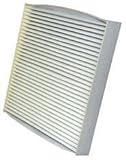
For any 2007 Honda Odyssey, you can use WIX 24815 cabin air filters. These will be an exact fit and will match the required specifications of your Odyssey. We always try to recommend the highest quality air filters for the money, and these air filters are either a factory recommendation or an equivalent replacement available in today’s market at a reasonable price.

How often should I change my cabin air filter?

Generally, it is recommended to replace the cabin air filter once per year, or every 12,500 miles, whichever comes first. If you drive in a highly polluted area, or in an area with high levels of dust, pollen, or other allergens, it may be necessary to change the filter more frequently. Similarly, if you often drive on dirt or gravel roads, or if you use your 2007 Honda Odyssey for off-roading, change your air filter more often.

It’s also important to pay attention to the signs that the filter needs to be changed, such as:

  • Reduced airflow from the vents
  • Unusual smells coming from the vents
  • Increased dust and debris inside the cabin

Changing the cabin air filter on a 2007 Honda Odyssey

This is a process you should be able to do on your own with some standard tools. Of course, consult your owner’s manual, as well as a factory service manual. The video shown below does a good job of demonstrating the process.

Tips for changing the cabin air filter on a 2007 Honda Odyssey

Please make sure you review the video above before you attempt to replace the air filter on your 2007 Honda Odyssey, as well as review your factory service manual. Also, see the tips included below here to help you as you perform this repair.

  • Orient the filter correctly: Make sure the new filter is installed securely, with the arrows on the filter pointing in the direction of the airflow. Incorrect installation may result in reduced filter performance and potentially damage to your car’s ventilation system.
  • Follow manufacturer’s recommendations: Follow any specific instructions provided by the manufacturer, such as replacing any clips or fasteners, to ensure the proper fit of the new filter.
  • Clean the area around the filter: Before installing the new filter, use a vacuum cleaner or compressed air to clean the area around the filter. This will help prevent debris from obstructing the new filter.

Helpful Tools

You should be able to accomplish a cabin air filter change with some ordinary tools you probably already have. However, there are a few tools that are specific to this job that you may not have, and we also want to recommend some general tools that you should definitely have in your toolbox if you don’t already.

  • A Mask – If you have allergies or sensitivities to dust or other allergens, you should wear a mask to protect yourself when removing and replacing the cabin air filter.
  • Screwdriver – In some cases, you will need a screwdriver to remove the cover that houses the cabin air filter.
  • A Vacuum Cleaner / Shop Vac – You can use a handheld vacuum cleaner or shop vac instead of compressed air, but it won’t displace the the debris quite as effectively.
  • A can of Compressed Air – use this to clean the area around the filter. This will help ensure that the new filter operates at maximum efficiency.

2009 Honda S2000 Cabin Air Filter Replacement Guide

Why change your air filter?

It is important to change the cabin air filter of your 2009 Honda S2000 for a few reasons:

  • Better engine performance: A clean air filter allows for a sufficient amount of air to reach the engine, which can improve overall performance and fuel efficiency.
  • Extending the life of the HVAC system: The cabin air filter also helps to keep the heating and air conditioning system running smoothly, which helps prolong the life of the system.
  • Protecting the engine: A dirty or clogged air filter can restrict the airflow to the engine, which can damage the engine over time.
  • Cleaner air quality inside the car: The cabin air filter helps to remove pollutants, dust, and other allergens from the air inside the car, which improves the air quality for everyone on board.
  • Improving the air quality outside the car: A clean air filter can also help improve the air quality outside the car by filtering out airborne contaminants.

If you replace your air filter on a regular basis, you can ensure that your Honda S2000 engine and HVAC system are running efficiently, and that the air inside and outside the car is clean and healthy.

The correct cabin air filter on a 2009 Honda S2000

For any 2009 Honda S2000, you can use WIX 24803 cabin air filters. These will be an exact fit and will match the required specifications of your S2000. We always try to recommend the best possible air filters for your money, and these air filters are either a factory recommendation or an equivalent replacement available in today’s market at an affordable price.

How often should I change my cabin air filter?

Generally, it is recommended to replace the cabin air filter once per year, or every 12,500 miles, whichever comes first. If you drive in a heavily polluted area, or in an area with high levels of dust, pollen, or other allergens, it may be necessary to change the filter more frequently. Similarly, if you frequently drive on dirt or gravel roads, or if you use your 2009 Honda S2000 for off-roading, the filter may need to be changed more often.

It’s also important to pay attention to these indicators that the filter needs to be changed, including:

  • Increased dust and debris in your car
  • Unusual smells coming from the vents
  • Reduced airflow from the vents

Changing the cabin air filter on a 2009 Honda S2000

This is a process you should be able to do on your own with some commonplace tools. Of course, consult your owner’s manual, as well as a factory service manual (FSM). The video shown below does a good job of demonstrating the process.

Tips for changing the cabin air filter on your 2009 Honda S2000

Please make sure you reference the video above before you attempt to replace the air filter on your 2009 Honda S2000, as well as review your factory service manual. Additionally, we have some tips below here to help you as you do this repair.

  • Clean the area around the filter: Before installing the new filter, use a vacuum cleaner or compressed air to clean the area around the filter. This will help prevent debris from getting inside the new filter.
  • Orient the filter correctly: Make sure the new filter is installed securely, with the arrows on the filter pointing in the direction of the airflow. Incorrect installation may result in reduced filter performance or even damage to your car’s ventilation system.
  • Follow manufacturer’s recommendations: Follow any specific instructions provided by the manufacturer, such as replacing any clips or fasteners, to ensure the proper fit of the new filter.

Helpful Tools

You should be able to complete a cabin air filter change with some normal tools you likely already have. However, there are a few tools that are specific to this job that you may not have, and we also want to recommend some commonplace tools that you should absolutely have in your toolbox if you do not already.

  • A Vacuum Cleaner / Shop Vac – You can use a handheld vacuum cleaner or shop vac instead of compressed air, but it won’t displace the the debris quite as effectively.
  • A can of Compressed Air – use this to clean the area around the filter. This will help ensure that the new filter operates at maximum efficiency.
  • A Mask – If you have allergies or sensitivities to dust or other allergens, you should wear a mask to protect yourself when removing and replacing the cabin air filter.
  • Screwdriver – In some cases, you will need a screwdriver to remove the cover that houses the cabin air filter.

2005 Chrysler Crossfire Cabin Air Filter Replacement Guide

Reasons to change your air filter

You should change the cabin air filter of your 2005 Chrysler Crossfire for a few reasons:

  • Extending the life of the HVAC system: The cabin air filter also helps to keep the heating and air conditioning system running smoothly, which helps prolong the life of the system.
  • Cleaner air quality inside the car: The cabin air filter helps to remove pollutants, dust, and other allergens from the air inside the car, which improves the air quality for the passengers.
  • Improving the air quality outside the car: A clean air filter improves the air quality outside the car by filtering out airborne contaminants.
  • Improved engine performance: A clean air filter allows for a sufficient amount of air to reach the engine, which can improve overall performance and fuel efficiency.
  • Protecting the engine: A dirty or clogged air filter can restrict the airflow to the engine, which may lead to overheating and damages the engine over time.

By changing the air filter on a regular basis, you can ensure that your Chrysler Crossfire engine and HVAC system are running efficiently, and that the air inside and outside the car is filtered of pollutants

The correct cabin air filter for a 2005 Chrysler Crossfire

For any 2005 Chrysler Crossfire, you can use WIX 24767 cabin air filters. These are an exact fit and will match the required specifications of your Crossfire. We always try to recommend the best possible air filters for your money, and these air filters are either a factory recommendation or an equivalent replacement available in today’s market at a reasonable price.

How often should I change my cabin air filter?

In general, it is advised that you replace the cabin air filter once per year, or every 12,500 miles, whichever comes first. If you drive in a heavily polluted area, or in an area with high levels of dust, pollen, or other allergens, consider changing the filter more frequently. Similarly, if you frequently drive on dirt or gravel roads, or if you use your 2005 Chrysler Crossfire for off-roading, change your air filter more often.

It’s also important to pay attention to these indicators that the filter needs to be changed, such as:

  • Reduced airflow from the vents
  • Unusual smells coming from the vents
  • Increased dust and debris inside the cabin

Changing the cabin air filter on a 2005 Chrysler Crossfire

This is a process you can do on your own with some commonplace tools. Of course, consult your owner’s manual, as well as a factory service manual (FSM). The video shown below does a good job of demonstrating the process.

Tips for changing the cabin air filter on a 2005 Chrysler Crossfire

Be sure to watch the video above before you attempt to replace the air filter on your 2005 Chrysler Crossfire, as well as review your factory service manual. Also, see the tips included below here to help you as you do this repair.

  • Orient the filter correctly: Make sure the new filter is installed securely, with the arrows on the filter pointing in the direction of the airflow. Improper installation can lead to reduced filter performance or even damage to your car’s ventilation system.
  • Clean the area around the filter: Before installing the new filter, use a vacuum cleaner or compressed air to clean the area around the filter. This will help prevent debris from getting inside the new filter.
  • Follow manufacturer’s recommendations: Follow any specific instructions provided by the manufacturer, such as replacing any clips or fasteners, to ensure the proper fit of the new filter.

Helpful Tools

You should be able to complete a cabin air filter change with some regular tools you likely already have. However, there are a few tools that are specific to this job that you may not have, and we also want to recommend some general tools that you should absolutely have in your toolbox if you don’t already.

  • A Mask – If you have allergies or sensitivities to dust or other allergens, you should wear a mask to protect yourself when removing and replacing the cabin air filter.
  • A Vacuum Cleaner / Shop Vac – You can use a handheld vacuum cleaner or shop vac instead of compressed air, but it won’t displace the the debris quite as effectively.
  • A can of Compressed Air – use this to clean the area around the filter. This will help ensure that the new filter doesn’t immediately get clogged.
  • Screwdriver – In some cases, you will need a screwdriver to remove the cover that houses the cabin air filter.

2015 Volkswagen Golf Cabin Air Filter Replacement Guide

Reasons to change your air filter

You should change the cabin air filter of your 2015 Volkswagen Golf for a few reasons:

  • Better engine performance: A clean air filter allows for a sufficient amount of air to reach the engine, which can improve overall performance and fuel efficiency.
  • Protecting the engine: A dirty or clogged air filter can restrict the airflow to the engine, which may lead to overheating and damages the engine over time.
  • Cleaner air quality inside the car: The cabin air filter helps to remove pollutants, dust, and other allergens from the air inside the car, which improves the air quality for the passengers.
  • Improving the air quality outside the car: A clean air filter improves the air quality outside the car by filtering out airborne contaminants.
  • Extending the life of the HVAC system: The cabin air filter also helps to keep the heating and air conditioning system running smoothly, which helps prolong the life of the system.

By changing the air filter on a regular basis, you can ensure that your Volkswagen Golf engine and HVAC system are running efficiently, and that the air inside and outside the car is filtered of pollutants

The correct cabin air filter for a 2015 Volkswagen Golf

For any 2015 Volkswagen Golf, you can use WIX WP10159 cabin air filters. These will be an exact fit and will match the required specifications of your Golf. We always try to recommend the highest quality air filters for the money, and these air filters are either a factory recommendation or an equivalent replacement available in today’s market at a reasonable price.

How often should I change my cabin air filter?

Generally, it is recommended to replace the cabin air filter once per year, or every 12,500 miles, whichever comes first. If you drive in a heavily polluted area, or in an area with high levels of dust, pollen, or other allergens, it may be necessary to change the filter more frequently. Similarly, if you often drive on dirt or gravel roads, or if you use your 2015 Volkswagen Golf for off-roading, change your air filter more often.

It’s also important to pay attention to the signs that the filter needs to be changed, including:

  • Reduced airflow from the vents
  • Odd smells coming from the vents
  • Increased dust and debris inside the cabin

Changing the cabin air filter on a 2015 Volkswagen Golf

This is a process you can do on your own with some ordinary tools. Of course, consult your owner’s manual, as well as a factory service manual. The video shown below does a good job of demonstrating the process.

Tips for changing the cabin air filter on a 2015 Volkswagen Golf

Ensure you review the video above before you attempt to replace the air filter on your 2015 Volkswagen Golf, as well as review your factory service manual. Additionally, we have some tips below here to help you as you do this repair.

  • Orient the filter correctly: Make sure the new filter is installed securely, with the arrows on the filter pointing in the direction of the airflow. Incorrect installation can lead to reduced filter performance or even damage to your car’s ventilation system.
  • Clean the area around the filter: Before installing the new filter, use a vacuum cleaner or compressed air to clean the area around the filter. This will help prevent debris from getting inside the new filter.
  • Follow manufacturer’s recommendations: Follow any specific instructions provided by the manufacturer, such as replacing any clips or fasteners, to ensure the proper fit of the new filter.

Helpful Tools

You should be able to accomplish a cabin air filter change with some normal tools you most likely already have. However, there are a few tools that are specific to this job that you may not have, and we also want to recommend some commonplace tools that you should absolutely have in your toolbox if you do not already.

  • Screwdriver – In some cases, you will need a screwdriver to remove the cover that houses the cabin air filter.
  • A Mask – If you have allergies or sensitivities to dust or other allergens, you should wear a mask to protect yourself when removing and replacing the cabin air filter.
  • A Vacuum Cleaner / Shop Vac – You can use a handheld vacuum cleaner or shop vac instead of compressed air, but it won’t displace the the debris quite as effectively.
  • A can of Compressed Air – use this to clean the area around the filter. This will help ensure that the new filter doesn’t immediately get clogged.

2006 Honda CR-V Cabin Air Filter Replacement Guide

Reasons to change your air filter

It is important to change the cabin air filter of your 2006 Honda CR-V for several reasons:

  • Better engine performance: A clean air filter allows for a greater amount of air to reach the engine, which can improve overall performance and fuel efficiency.
  • Protecting the engine: A dirty or clogged air filter can restrict the airflow to the engine, which may lead to overheating and damages the engine over time.
  • Enhancing the air quality inside the car: The cabin air filter helps to remove pollutants, dust, and other allergens from the air inside the car, which improves the air quality for everyone on board.
  • Prolonging the life of the HVAC system: The cabin air filter also helps to keep the heating and air conditioning system running smoothly, which helps increase the efficiency of the system.
  • Improving the air quality outside the car: A clean air filter can also help improve the air quality outside the car by filtering out airborne contaminants.

If you replace your air filter on a regular basis, you can ensure that your Honda CR-V engine and HVAC system are running efficiently, and that the air inside and outside the car is filtered of pollutants

The correct cabin air filter on a 2006 Honda CR-V

For any 2006 Honda CR-V, you can use WIX 24817 cabin air filters. These will be an exact fit and will match the required specifications of your CR-V. We always try to recommend the highest quality air filters for your money, and these air filters are either a factory recommendation or an equivalent replacement available in today’s market at an affordable price.

How often should I change my cabin air filter?

In general, it is advised that you replace the cabin air filter once per year, or every 12,500 miles, whichever comes first. If you drive in a heavily polluted area, or in an area with high levels of dust, pollen, or other allergens, it may be necessary to change the filter more frequently. Similarly, if you frequently drive on dirt or gravel roads, or if you use your 2006 Honda CR-V for off-roading, change your air filter more often.

It’s also important to pay attention to these indicators that the filter needs to be changed, including:

  • Increased dust and debris in your car
  • Unusual smells coming from the vents
  • Reduced airflow from the vents

Changing the cabin air filter on a 2006 Honda CR-V

This is a process you can do on your own with some standard tools. Of course, consult your owner’s manual, as well as a factory service manual (FSM). The video shown below does a good job of outlining the process.

Tips for changing the cabin air filter on your 2006 Honda CR-V

Be sure to reference the video above before you attempt to replace the air filter on your 2006 Honda CR-V, as well as review your factory service manual. Also, see the tips included below here to help you as you perform this repair.

  • Clean the area around the filter: Before installing the new filter, use a vacuum cleaner or compressed air to clean the area around the filter. This will help prevent debris from obstructing the new filter.
  • Orient the filter correctly: Make sure the new filter is installed securely, with the arrows on the filter pointing in the direction of the airflow. Incorrect installation can lead to reduced filter performance and potentially damage to your car’s ventilation system.
  • Follow manufacturer’s recommendations: Follow any specific instructions provided by the manufacturer, such as replacing any clips or fasteners, to ensure the proper fit of the new filter.

Helpful Tools

You should be able to complete a cabin air filter change with some ordinary tools you most likely already have. However, there are a few tools that are specific to this job that you may not have, and we also want to recommend some commonplace tools that you should definitely have in your toolbox if you don’t already.

  • A Mask – If you have allergies or sensitivities to dust or other allergens, you should wear a mask to protect yourself when removing and replacing the cabin air filter.
  • Screwdriver – In some cases, you will need a screwdriver to remove the cover that houses the cabin air filter.
  • A Vacuum Cleaner / Shop Vac – You can use a handheld vacuum cleaner or shop vac instead of compressed air, but it won’t displace the the debris quite as effectively.
  • A can of Compressed Air – use this to clean the area around the filter. This will help ensure that the new filter doesn’t immediately get clogged.

2003 Chevrolet Tracker Cabin Air Filter Replacement Guide

Why change your air filter?

You should change the cabin air filter of your 2003 Chevrolet Tracker for a few reasons:

  • Prolonging the life of the HVAC system: The cabin air filter also helps to keep the heating and air conditioning system running smoothly, which helps increase the efficiency of the system.
  • Improved engine performance: A clean air filter allows for a greater amount of air to reach the engine, which can improve overall performance and fuel efficiency.
  • Improving the air quality outside the car: A clean air filter improves the air quality outside the car by reducing the emissions of pollutants.
  • Protecting the engine: A dirty or clogged air filter decreases the airflow to the engine, which can damage the engine over time.
  • Cleaner air quality inside the car: The cabin air filter helps to remove pollutants, dust, and other allergens from the air inside the car, which improves the air quality for everyone on board.

If you replace your air filter on a regular basis, you can ensure that your Chevrolet Tracker engine and HVAC system are running efficiently, and that the air inside and outside the car is clean and healthy.

The correct cabin air filter for a 2003 Chevrolet Tracker

For any 2003 Chevrolet Tracker, you can use WIX 24899 cabin air filters. These are an exact fit and will match the required specifications of your Tracker. We always try to recommend the best possible air filters for your money, and these air filters are either a factory recommendation or an equivalent replacement available in today’s market at an affordable price.

How often should I change my cabin air filter?

Generally, it is recommended to replace the cabin air filter once per year, or every 12,500 miles, whichever comes first. If you drive in a heavily polluted area, or in an area with high levels of dust, pollen, or other allergens, it may be necessary to change the filter more frequently. Similarly, if you frequently drive on dirt or gravel roads, or if you use your 2003 Chevrolet Tracker for off-roading, the filter may need to be changed more often.

It’s also important to pay attention to these indicators that the filter needs to be changed, including:

  • Reduced airflow from the vents
  • Odd smells coming from the vents
  • Increased dust and debris in your car

Changing the cabin air filter on a 2003 Chevrolet Tracker

This is a process you should be able to do on your own with some ordinary tools. Of course, consult your owner’s manual, as well as a factory service manual. The video shown below does a good job of demonstrating the process.

Tips for changing the cabin air filter on your 2003 Chevrolet Tracker

Please make sure you watch the video above before you attempt to replace the air filter on your 2003 Chevrolet Tracker, as well as review your factory service manual. Be sure to check the tips shown here to help you as you do this repair.

  • Follow manufacturer’s recommendations: Follow any specific instructions provided by the manufacturer, such as replacing any clips or fasteners, to ensure the proper fit of the new filter.
  • Orient the filter correctly: Make sure the new filter is installed securely, with the arrows on the filter pointing in the direction of the airflow. Incorrect installation may result in reduced filter performance or even damage to your car’s ventilation system.
  • Clean the area around the filter: Before installing the new filter, use a vacuum cleaner or compressed air to clean the area around the filter. This will help prevent debris from obstructing the new filter.

Helpful Tools

You should be able to accomplish a cabin air filter change with some ordinary tools you probably already have. However, there are a few tools that are specific to this job that you may not have, and we also want to recommend some general tools that you should for sure have in your toolbox if you don’t already.

  • A can of Compressed Air – use this to clean the area around the filter. This will help ensure that the new filter doesn’t immediately get clogged.
  • A Vacuum Cleaner / Shop Vac – You can use a handheld vacuum cleaner or shop vac instead of compressed air, but it won’t displace the the debris quite as effectively.
  • Screwdriver – In some cases, you will need a screwdriver to remove the cover that houses the cabin air filter.
  • A Mask – If you have allergies or sensitivities to dust or other allergens, it is recommended to wear a mask to protect yourself when removing and replacing the cabin air filter.

2011 Honda CR-V Cabin Air Filter Replacement Guide

Reasons to change your air filter

It is important to change the cabin air filter of your 2011 Honda CR-V for a few reasons:

  • Improved engine performance: A clean air filter allows for a greater amount of air to reach the engine, which enhances overall performance and fuel efficiency.
  • Protecting the engine: A dirty or clogged air filter decreases the airflow to the engine, which can damage the engine over time.
  • Enhancing the air quality inside the car: The cabin air filter helps to remove pollutants, dust, and other allergens from the air inside the car, which improves the air quality for everyone on board.
  • Prolonging the life of the HVAC system: The cabin air filter also helps to keep the heating and air conditioning system running smoothly, which helps prolong the life of the system.
  • Improving the air quality outside the car: A clean air filter can also help improve the air quality outside the car by reducing the emissions of pollutants.

By changing the air filter on a regular basis, you can ensure that your Honda CR-V engine and HVAC system are running efficiently, and that the air inside and outside the car is filtered of pollutants

The correct cabin air filter for a 2011 Honda CR-V

For any 2011 Honda CR-V, you can use WIX 24815 cabin air filters. These are an exact fit and will match the required specifications of your CR-V. We always try to recommend the highest quality air filters for your money, and these air filters are either a factory recommendation or an equivalent replacement available in today’s market at a reasonable price.

How often should I change my cabin air filter?

In general, it is recommended to replace the cabin air filter once per year, or every 12,500 miles, whichever comes first. If you drive in a highly polluted area, or in an area with high levels of dust, pollen, or other allergens, consider changing the filter more frequently. Similarly, if you often drive on dirt or gravel roads, or if you use your 2011 Honda CR-V for off-roading, the filter may need to be changed more often.

It’s also important to pay attention to the signs that the filter needs to be changed, including:

  • Odd smells coming from the vents
  • Reduced airflow from the vents
  • Increased dust and debris in your car

Changing the cabin air filter on a 2011 Honda CR-V

This is a process you can do on your own with some standard tools. Of course, consult your owner’s manual, as well as a factory service manual (FSM). The video shown below does a good job of outlining the process.

Tips for changing the cabin air filter on your 2011 Honda CR-V

Please make sure you reference the video above before you attempt to replace the air filter on your 2011 Honda CR-V, as well as review your factory service manual. Be sure to check the tips shown here to help you as you complete this repair.

  • Clean the area around the filter: Before installing the new filter, use a vacuum cleaner or compressed air to clean the area around the filter. This will help prevent debris from getting inside the new filter.
  • Orient the filter correctly: Make sure the new filter is installed securely, with the arrows on the filter pointing in the direction of the airflow. Improper installation can lead to reduced filter performance and potentially damage to your car’s ventilation system.
  • Follow manufacturer’s recommendations: Follow any specific instructions provided by the manufacturer, such as replacing any clips or fasteners, to ensure the proper fit of the new filter.

Helpful Tools

You should be able to accomplish a cabin air filter change with some normal tools you likely already have. However, there are a few tools that are specific to this job that you may not have, and we also want to recommend some general tools that you should definitely have in your toolbox if you do not already.

  • A Mask – If you have allergies or sensitivities to dust or other allergens, you should wear a mask to protect yourself when removing and replacing the cabin air filter.
  • A can of Compressed Air – use this to clean the area around the filter. This will help ensure that the new filter doesn’t immediately get clogged.
  • A Vacuum Cleaner / Shop Vac – You can use a handheld vacuum cleaner or shop vac instead of compressed air, but it won’t displace the the debris quite as effectively.
  • Screwdriver – In some cases, you will need a screwdriver to remove the cover that houses the cabin air filter.

2011 Mazda CX-9 Cabin Air Filter Replacement Guide

Why change your air filter?

You should change the cabin air filter of your 2011 Mazda CX-9 for a few reasons:

  • Improving the air quality outside the car: A clean air filter improves the air quality outside the car by filtering out airborne contaminants.
  • Improved engine performance: A clean air filter allows for a greater amount of air to reach the engine, which enhances overall performance and fuel efficiency.
  • Protecting the engine: A dirty or clogged air filter can restrict the airflow to the engine, which may lead to overheating and damages the engine over time.
  • Cleaner air quality inside the car: The cabin air filter helps to remove pollutants, dust, and other allergens from the air inside the car, which improves the air quality for everyone on board.
  • Extending the life of the HVAC system: The cabin air filter also helps to keep the heating and air conditioning system running smoothly, which helps increase the efficiency of the system.

If you replace your air filter on a regular basis, you can ensure that your Mazda CX-9 engine and HVAC system are running efficiently, and that the air inside and outside the car is clean and healthy.

The correct cabin air filter for a 2011 Mazda CX-9

For any 2011 Mazda CX-9, you can use ACDELCO CF2227 cabin air filters. These will be an exact fit and will match the required specifications of your CX-9. We always try to recommend the best possible air filters for your money, and these air filters are either a factory recommendation or an equivalent replacement available in today’s market at an affordable price.

How often should I change my cabin air filter?

Generally, it is advised that you replace the cabin air filter once per year, or every 12,500 miles, whichever comes first. If you drive in a heavily polluted area, or in an area with high levels of dust, pollen, or other allergens, consider changing the filter more frequently. Similarly, if you frequently drive on dirt or gravel roads, or if you use your 2011 Mazda CX-9 for off-roading, change your air filter more often.

It’s also important to pay attention to the signs that the filter needs to be changed, such as:

  • Reduced airflow from the vents
  • Unusual smells coming from the vents
  • Increased dust and debris in your car

Changing the cabin air filter on a 2011 Mazda CX-9

This is a process you can do on your own with some standard tools. Of course, consult your owner’s manual, as well as a factory service manual (FSM). The video shown below does a good job of outlining the process.

Tips for changing the cabin air filter on a 2011 Mazda CX-9

Please make sure you reference the video above before you attempt to replace the air filter on your 2011 Mazda CX-9, as well as review your factory service manual. Be sure to check the tips shown here to help you as you perform this repair.

  • Follow manufacturer’s recommendations: Follow any specific instructions provided by the manufacturer, such as replacing any clips or fasteners, to ensure the proper fit of the new filter.
  • Orient the filter correctly: Make sure the new filter is installed securely, with the arrows on the filter pointing in the direction of the airflow. Improper installation can lead to reduced filter performance or even damage to your car’s ventilation system.
  • Clean the area around the filter: Before installing the new filter, use a vacuum cleaner or compressed air to clean the area around the filter. This will help prevent debris from obstructing the new filter.

Helpful Tools

You should be able to complete a cabin air filter change with some normal tools you likely already have. However, there are a few tools that are specific to this job that you may not have, and we also want to recommend some general tools that you should definitely have in your toolbox if you do not already.

  • A Mask – If you have allergies or sensitivities to dust or other allergens, you should wear a mask to protect yourself when removing and replacing the cabin air filter.
  • Screwdriver – In some cases, you will need a screwdriver to remove the cover that houses the cabin air filter.
  • A Vacuum Cleaner / Shop Vac – You can use a handheld vacuum cleaner or shop vac instead of compressed air, but it won’t displace the the debris quite as effectively.
  • A can of Compressed Air – use this to clean the area around the filter. This will help ensure that the new filter doesn’t immediately get clogged.

2011 Toyota Sienna Cabin Air Filter Replacement Guide

Reasons to change your air filter

It is important to change the cabin air filter of your 2011 Toyota Sienna for a few reasons:

  • Better engine performance: A clean air filter allows for a sufficient amount of air to reach the engine, which can improve overall performance and fuel efficiency.
  • Protecting the engine: A dirty or clogged air filter decreases the airflow to the engine, which can damage the engine over time.
  • Extending the life of the HVAC system: The cabin air filter also helps to keep the heating and air conditioning system running smoothly, which helps increase the efficiency of the system.
  • Cleaner air quality inside the car: The cabin air filter helps to remove pollutants, dust, and other allergens from the air inside the car, which improves the air quality for the passengers.
  • Improving the air quality outside the car: A clean air filter improves the air quality outside the car by reducing the emissions of pollutants.

By changing the air filter on a regular basis, you can ensure that your Toyota Sienna engine and HVAC system are running efficiently, and that the air inside and outside the car is filtered of pollutants

The correct cabin air filter on a 2011 Toyota Sienna

For any 2011 Toyota Sienna, you can use WIX 24483 cabin air filters. These will be an exact fit and will match the required specifications of your Sienna. We always try to recommend the highest quality air filters for your money, and these air filters are either a factory recommendation or an equivalent replacement available in today’s market at an affordable price.

How often should I change my cabin air filter?

Generally, it is advised that you replace the cabin air filter once per year, or every 12,500 miles, whichever comes first. If you drive in a highly polluted area, or in an area with high levels of dust, pollen, or other allergens, consider changing the filter more frequently. Similarly, if you frequently drive on dirt or gravel roads, or if you use your 2011 Toyota Sienna for off-roading, the filter may need to be changed more often.

It’s also important to pay attention to these indicators that the filter needs to be changed, such as:

  • Unusual smells coming from the vents
  • Reduced airflow from the vents
  • Increased dust and debris in your car

Changing the cabin air filter on a 2011 Toyota Sienna

This is a process you should be able to do on your own with some commonplace tools. Of course, consult your owner’s manual, as well as a factory service manual (FSM). The video shown below does a good job of outlining the process.

Tips for changing the cabin air filter on your 2011 Toyota Sienna

Ensure you reference the video above before you attempt to replace the air filter on your 2011 Toyota Sienna, as well as review your factory service manual. Be sure to check the tips shown here to help you as you do this repair.

  • Clean the area around the filter: Before installing the new filter, use a vacuum cleaner or compressed air to clean the area around the filter. This will help prevent debris from obstructing the new filter.
  • Orient the filter correctly: Make sure the new filter is installed securely, with the arrows on the filter pointing in the direction of the airflow. Incorrect installation can lead to reduced filter performance or even damage to your car’s ventilation system.
  • Follow manufacturer’s recommendations: Follow any specific instructions provided by the manufacturer, such as replacing any clips or fasteners, to ensure the proper fit of the new filter.

Helpful Tools

You should be able to complete a cabin air filter change with some normal tools you probably already have. However, there are a few tools that are specific to this job that you may not have, and we also want to recommend some commonplace tools that you should absolutely have in your toolbox if you do not already.

  • Screwdriver – In some cases, you will need a screwdriver to remove the cover that houses the cabin air filter.
  • A can of Compressed Air – use this to clean the area around the filter. This will help ensure that the new filter doesn’t immediately get clogged.
  • A Vacuum Cleaner / Shop Vac – You can use a handheld vacuum cleaner or shop vac instead of compressed air, but it won’t displace the the debris quite as effectively.
  • A Mask – If you have allergies or sensitivities to dust or other allergens, it is recommended to wear a mask to protect yourself when removing and replacing the cabin air filter.